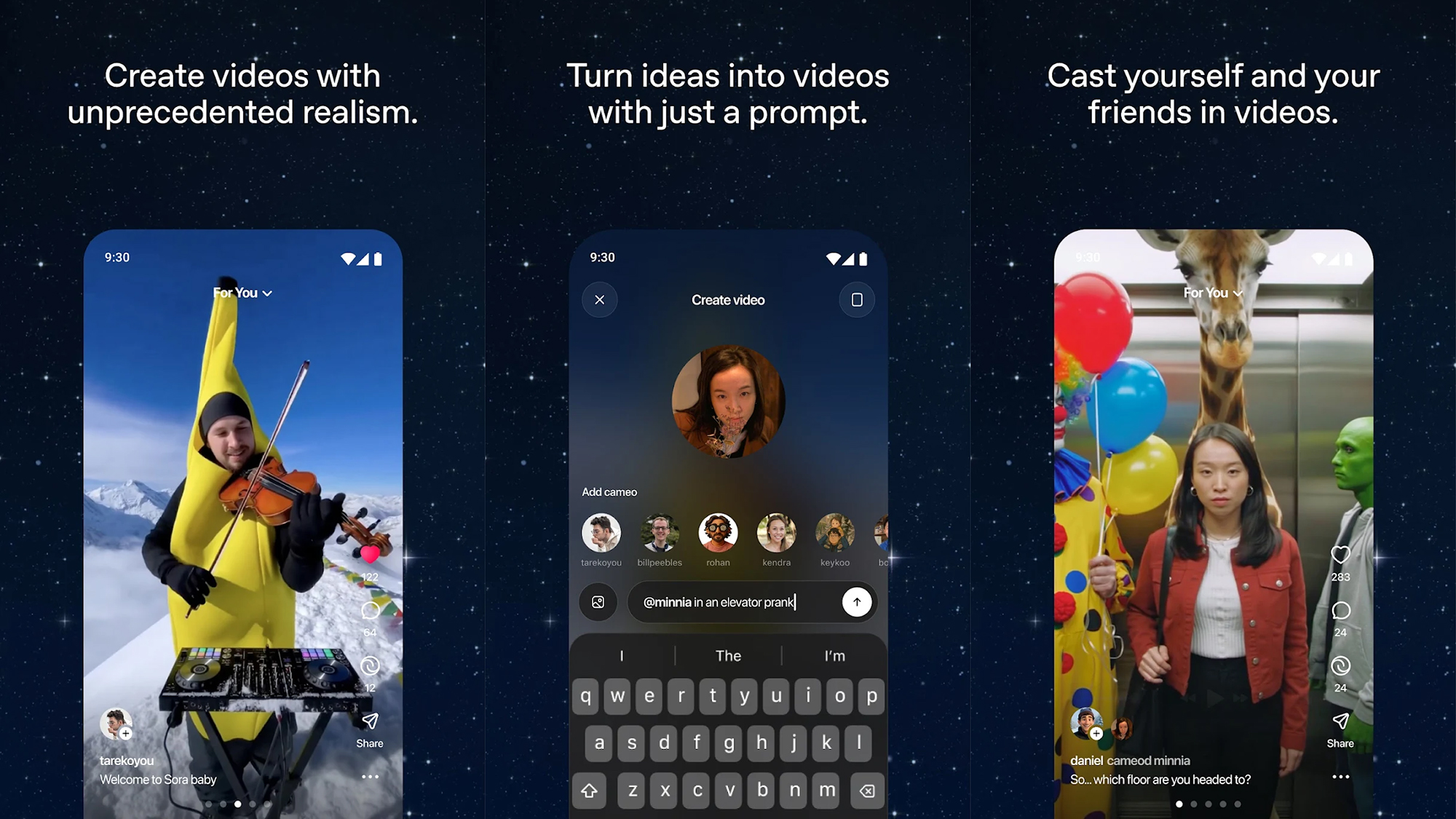
Sora 2: The AI Video Revolution That Came, Conquered, and Said Goodbye
Sora 2: In the fast-moving world of artificial intelligence, few announcements have generated as much excitement as OpenAI’s Sora. When it was first teased in early 2024, creators around the world held their breath. Could AI finally generate realistic, physics-aware video from nothing but a text prompt?
The answer, as it turned out, was yes. But the story of Sora is not just a story of technological triumph. It is also a cautionary tale about the pace of AI development, the challenges of commercialization, and the reality that even the most revolutionary tools have a shelf life.
As of late April 2026, Sora has been discontinued. OpenAI announced that the Sora web and app experiences were shut down on April 26, 2026, with the API following on September 24, 2026 . But before we close the book on this groundbreaking model, let’s explore what Sora was, what it achieved, and what its legacy means for the future of AI video generation.
1. What Was Sora? The “World Simulator”
Sora was not just another AI video generator. OpenAI’s vision for Sora was far more ambitious: they called it a “world simulator” . The goal was not merely to stitch together pixels that looked like a video, but to build an AI that understood the fundamental physics of reality.
Imagine an AI that knows how glass shatters, how water ripples, how light bounces off a polished surface, and how a person’s weight shifts when they turn a corner. That was Sora’s promise. Unlike earlier models that often produced surreal, dreamlike footage where objects melted into each other, Sora aimed for physical accuracy and object permanence .
When a ball left the frame in a Sora-generated video, the model remembered it existed. When a character walked behind a pillar, they emerged on the other side looking the same. This level of coherence was unprecedented and set Sora apart from virtually every competitor.
Sora 2, released in late 2025 and early 2026, refined this vision. It could generate videos up to 1080p resolution, lasting 15 to 25 seconds (with Pro users accessing the longer durations), complete with synchronized audio . Dialogue matched lip movements. Footsteps synced with footfalls. The era of silent AI videos was over.
2. The Feature Set That Changed the Game
When Sora 2 arrived, it brought a suite of features that made it the gold standard for AI video generation.
Native Audio-Visual Co-Generation: This was perhaps the single most important advancement. Sora 2 generated video and audio together in a single pass . Dialogue, ambient sound effects, background music—all emerged naturally from the prompt. For creators, this eliminated the tedious workflow of generating a silent clip and then hunting for royalty-free audio that sort-of matched the action.
Character Cameos and Licensing: In a groundbreaking move, OpenAI partnered with Disney in a $1 billion deal. This allowed licensed Disney characters to appear in Sora-generated videos. Imagine generating a video of Mickey Mouse delivering a personalized birthday message or Elsa singing a custom song. While this feature was aimed at enterprise and brand applications, it signaled a new direction for licensed AI content.
Image-to-Video with People: One of Sora’s most requested features was the ability to animate photos of friends and family. Sora 2 delivered this—with strict guardrails . Users could upload images containing people and bring them to life, but only after attesting they had consent. The feature automatically applied stylization and watermarks to distinguish AI-generated content from reality.
Extensions and Storyboarding: With the Extensions feature, users could seamlessly continue any video . Open an existing draft, tap “Extend,” and describe what should happen next. Sora preserved characters, settings, and visual style while generating the next chapter. The storyboard tool allowed frame-by-frame control, giving creators precision that was previously impossible .
Editor Built-In: By March 2026, Sora included a native editor on iOS and web . Users could trim clips with frame-level precision, stitch multiple clips into sequences, reorder timelines, and import videos directly from drafts. Remix features allowed generating variations without starting from scratch.
3. Sora 2 vs. The Competition: Where It Stood
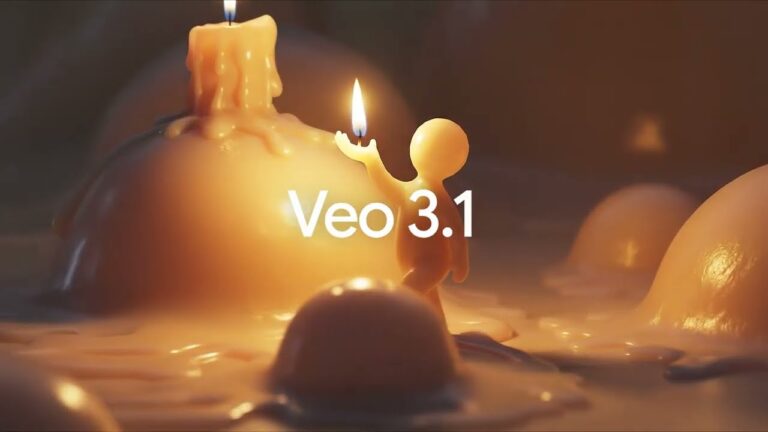
By early 2026, Sora was not alone. The AI video generation space had exploded with competitors: Google’s Veo 3.1, Kling 2.6, ByteDance’s Seedance Pro, and others . How did Sora compare?
The verdict from industry experts was clear: Sora 2 Pro was the “realism king”.
| Model | Best For | Max Duration | Max Resolution | Native Audio |
|---|---|---|---|---|
| Sora 2 Pro | Highest realism, physics coherence | 25 seconds | 1080p | Yes |
| Veo 3.1 | Cinematic realism, brand safety | 8 seconds | 1080p | Yes |
| Kling 2.6 | Social media, speed, cost | 15 seconds | 1080p | Yes |
| Seedance Pro | Multi-shot narratives | 12 seconds | 1080p | No |
In head-to-head comparisons, Sora 2 Pro consistently won on physical accuracy . Glass shattered realistically. Water flowed naturally. Characters moved with believable weight and momentum. Competitors might be faster or cheaper, but when quality was the only metric, Sora was the undisputed champion.
However, this quality came at a cost. Sora 2 was expensive :
- ChatGPT Plus ($20/month): ~1,000 credits, roughly 50 videos at 480p or 12 at 720p
- ChatGPT Pro ($200/month): 10,000 credits, 500 priority videos at up to 1080p, unlimited relaxed generations
- API pricing: $0.10/second for Sora 2, $0.30-0.50/second for Sora 2 Pro
For high-volume creators and businesses, the cost was justifiable. But for casual users and indie creators, competitors like Kling 2.6 offered a better value proposition.
4. The Regional Restrictions
One significant limitation of Sora was its regional availability. At launch, Sora was available “everywhere ChatGPT is available” with notable exceptions: the United Kingdom, Switzerland, and the entire European Economic Area (EEA) were excluded .
This meant millions of potential users in London, Paris, Berlin, Rome, and across Europe could not access the tool. The restrictions were likely related to regulatory concerns about AI-generated content, data privacy, and deepfake prevention—issues that OpenAI was still navigating.
For creators in these regions, the launch of Sora was a frustrating experience of watching from the sidelines.
5. The Discontinuation: Why Did It End?
The news that Sora would be discontinued came as a shock to many in the AI community. How could a product that was widely considered the best in its category be shut down?
While OpenAI has not provided extensive public explanation, several factors likely contributed:
Compute Costs: Video generation is exponentially more expensive than text generation. Generating a 25-second video at 1080p requires enormous computational resources. Even with OpenAI’s infrastructure, making Sora profitable—especially at the Plus tier’s $20/month price point—was likely challenging.
Strategic Shift: OpenAI has historically focused on foundational models (GPT, DALL-E) rather than standalone applications. Sora may have always been intended as a research demonstration and technology preview rather than a long-term product. The discontinuation of the app while keeping the API alive temporarily suggests a shift toward developer-focused access rather than consumer-facing tools.
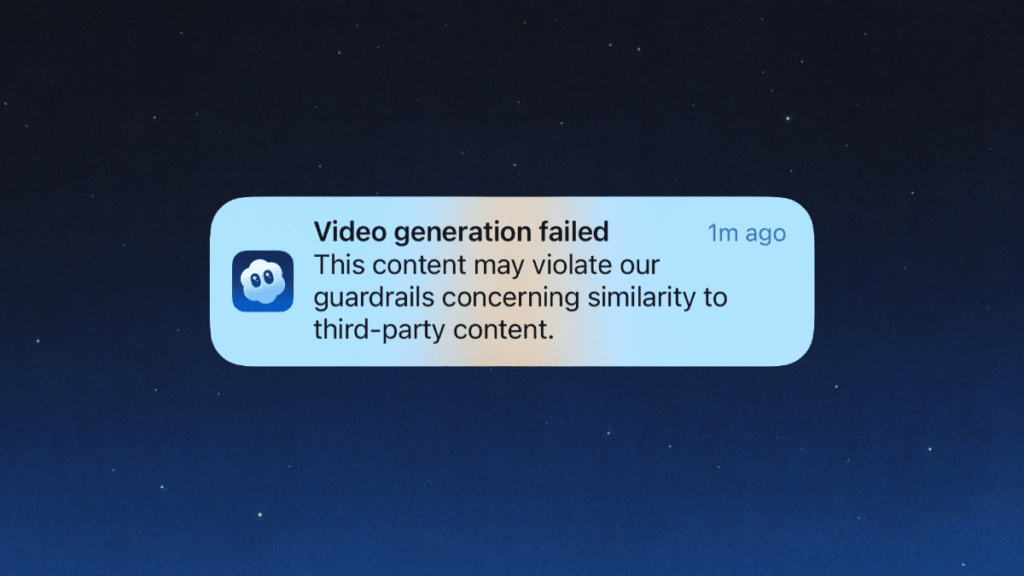
Safety and Moderation Challenges: Generating realistic video opens significant risks for misuse. Deepfakes, disinformation, and non-consensual content are serious concerns. While OpenAI implemented guardrails, the moderation burden for video is substantially higher than for text or static images.
Market Competition: As Kling, Veo, Seedance, and others closed the quality gap while offering better pricing and broader availability, OpenAI may have decided to focus resources elsewhere.
The official announcement confirmed that Sora 1 was deprecated on March 13, 2026, with all generations from that version deleted . The Sora app and web experiences ended on April 26, 2026 . The API will remain available until September 24, 2026, after which users will need to export their data before permanent deletion .
6. What Sora’s Legacy Means for You
If you are a creator evaluating AI video tools today, Sora’s story offers important lessons.
First, do not assume any AI tool is permanent. The speed of development in this space means tools appear, evolve, and disappear rapidly. Build your workflows with flexibility, and avoid locking yourself into any single platform.
Second, the competition has caught up. While Sora was the best, others are now excellent. Kling 2.6 offers native audio at lower cost. Veo 3.1 provides brand-safe realism. Seedance Pro excels at multi-shot narratives . The difference between the best and the second-best is now much smaller than it was a year ago.
Third, the future is open-source and affordable. Models like Wan 2.5 and LTX-2 Pro are moving toward open-source foundations and developer-friendly pricing . The trend is toward democratization, not walled gardens.
For users who need to recover or export existing Sora content, OpenAI has provided data export options. Users are encouraged to download their creations as soon as possible before the September 2026 API shutdown .
Conclusion: The King Is Dead, Long Live the King
Sora was not just a product; it was a proof of concept that changed the entire AI video industry. It proved that AI could understand physics, generate synchronized audio, and tell coherent visual stories. It forced every competitor to raise their game. And it gave millions of creators their first taste of what was possible.
Yes, Sora is now gone. But its DNA lives on in every AI video tool that followed. The features it pioneered—world simulation, native audio, character consistency, multi-shot generation—are now expected standards.
For creators in 2026, the question is no longer “Which tool is best?” but “Which tool is best for this specific project?” Sora’s legacy is a richer, more competitive, and more capable ecosystem than existed before.
And perhaps that was the point all along.
Frequently Asked Questions (FAQ)
Q: Is Sora still available to use?
A: No. The Sora web and app experiences were discontinued on April 26, 2026. The API will be discontinued on September 24, 2026 .
Q: Can I still access my old Sora videos?
A: OpenAI has provided data export options. Users are encouraged to export their content as soon as possible before final deletion .
Q: What is the best alternative to Sora?
A: Depending on your needs: Kling 2.6 for cost-effective social media content, Veo 3.1 for brand-safe realism, or Seedance Pro for multi-shot narratives .
Q: Why was Sora discontinued?
A: OpenAI has not provided explicit reasoning, but likely factors include high compute costs, strategic product shifts, safety/moderation challenges, and increased competition .
Q: Was Sora available in my country?
A: Sora was available in most regions where ChatGPT operates, but notably excluded the UK, Switzerland, and the European Economic Area .